
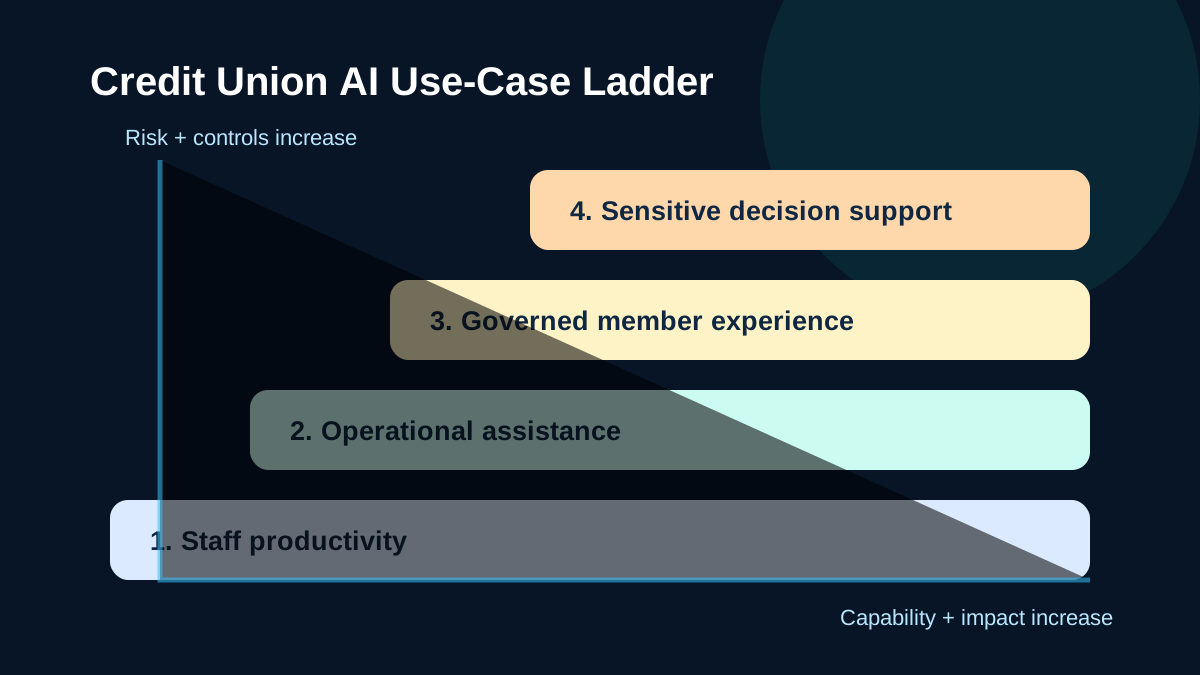
The mistake many institutions make is treating AI adoption as a single leap: deploy a chatbot, automate lending, or buy a major platform. Credit unions are better served by a ladder. Start with lower-risk internal workflows, then climb toward higher-impact member-facing use cases only after governance and measurement are in place. This approach gives leadership something concrete to approve, gives employees a safer place to learn, and gives compliance teams time to build repeatable controls.
The first rung is staff productivity. Examples include meeting summaries, policy drafting, procedure search, training materials, internal FAQs, and marketing copy review. These uses still need rules, but they usually avoid automated member decisions and can be monitored closely. A credit union can measure this rung with simple indicators: minutes saved, number of drafts reviewed, reduction in repetitive questions, and staff satisfaction with the workflow.
The second rung is operational assistance. AI can help summarize contact center interactions, route requests, flag missing documentation, support fraud review, or prepare loan-file checklists. These workflows create measurable efficiency while keeping human judgment in the loop. This rung is where vendor claims should be tested carefully: does the tool reduce rework, improve consistency, shorten cycle time, or simply add another screen for employees to manage?
The third rung is governed member experience: personalized education, proactive alerts, simple self-service, and assisted messaging. At this stage, the credit union needs strong escalation paths, testing, member-disclosure decisions, and monitoring for failure modes. Member-facing AI should be judged by trust, not novelty. If the assistant cannot resolve a situation, it should quickly route the member to a person rather than forcing repeated prompts or generic answers.
The final rung is decision support in sensitive areas such as underwriting, fraud actions, and collections. These projects require the highest level of documentation, validation, fairness review, vendor evidence, and board oversight. Credit unions should be especially careful when AI outputs affect access to credit, account restrictions, dispute outcomes, or member treatment.
The ladder does not slow AI down; it prevents early missteps from damaging trust. The best roadmap is not “small forever.” It is sequenced: prove value internally, build controls, expand into operational assistance, then move toward member-facing and sensitive workflows with evidence instead of enthusiasm alone.